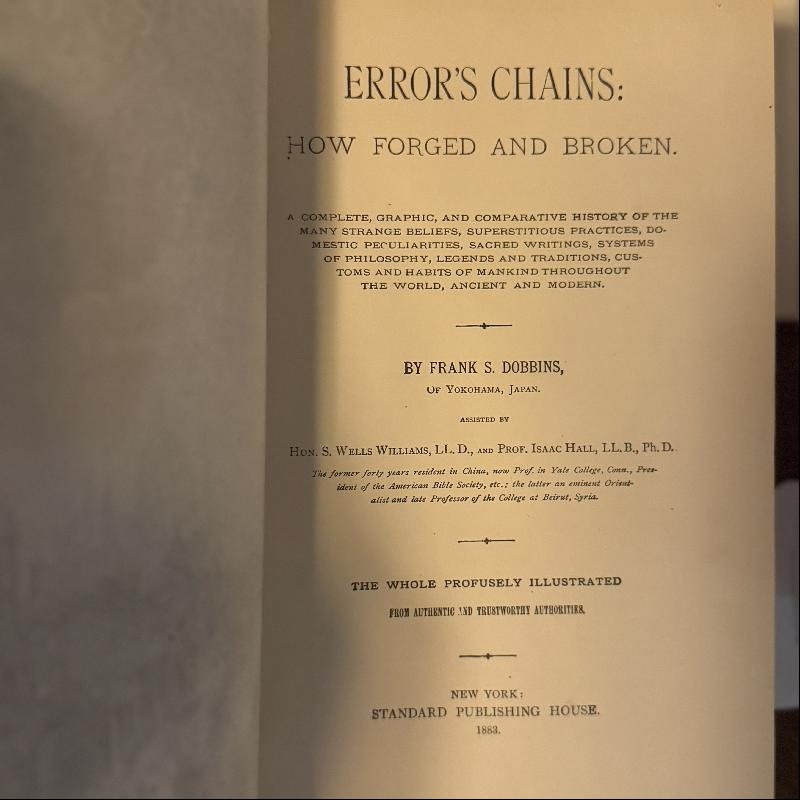
"Error's Chains: How Forged and Broken" by Frank S. Dobbins (1883) is a historical and religious text that examines various global belief systems, their errors (as interpreted by the author), and the paths to their eventual "correction" or alignment with Christian teachings. The book is rooted in a 19th-century Christian evangelical perspective and reflects a missionary zeal to expose what the author perceives as errors in other faiths.
Summary
The book critiques major world religions and philosophies, including Buddhism, Hinduism, Islam, and indigenous practices, labeling them as "chains of error."
Dobbins argues that these belief systems perpetuate ignorance and suffering.
He proposes that Christianity, particularly Protestantism, is the ultimate truth and path to enlightenment, breaking these "chains."
The work reflects the colonial and missionary attitudes of its time, with a heavy emphasis on converting followers of other religions.
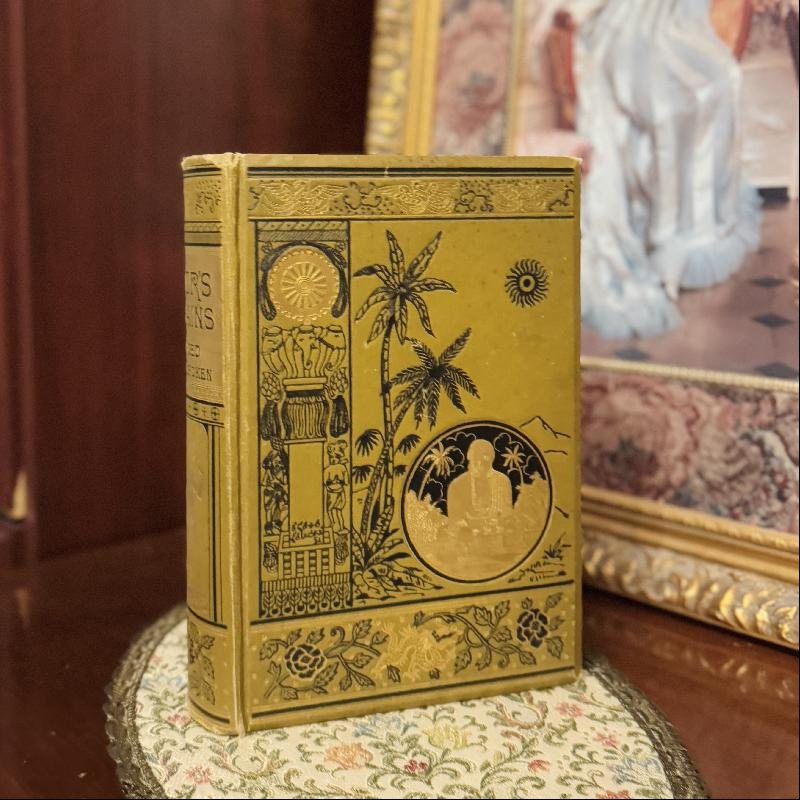
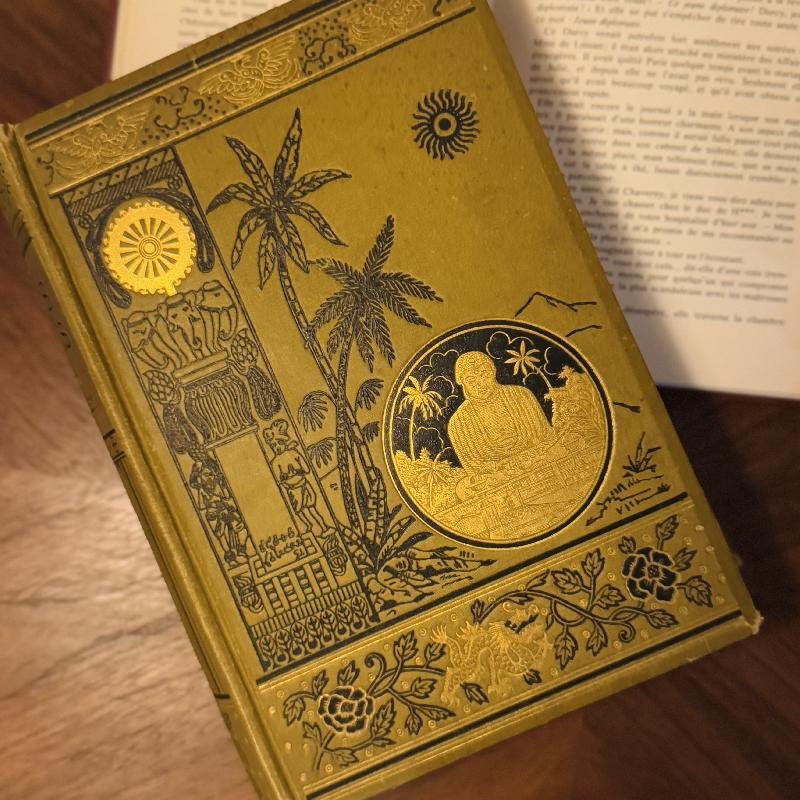
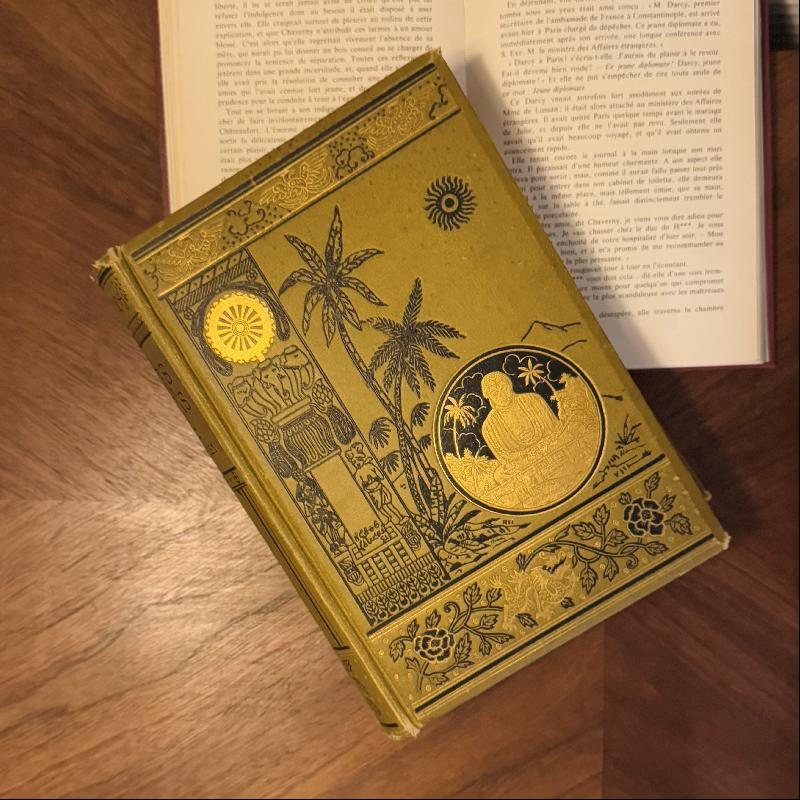
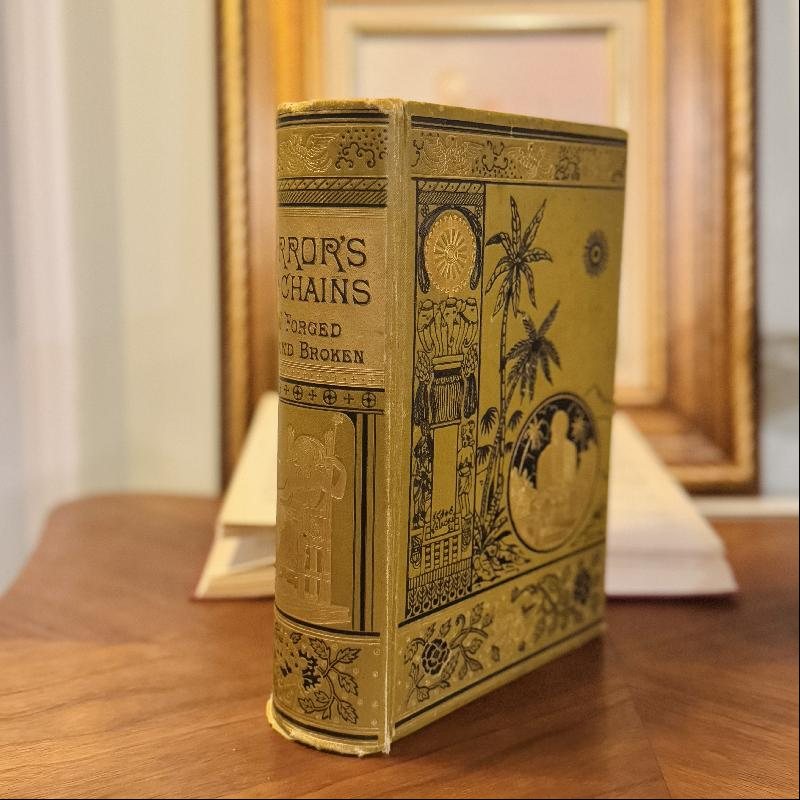
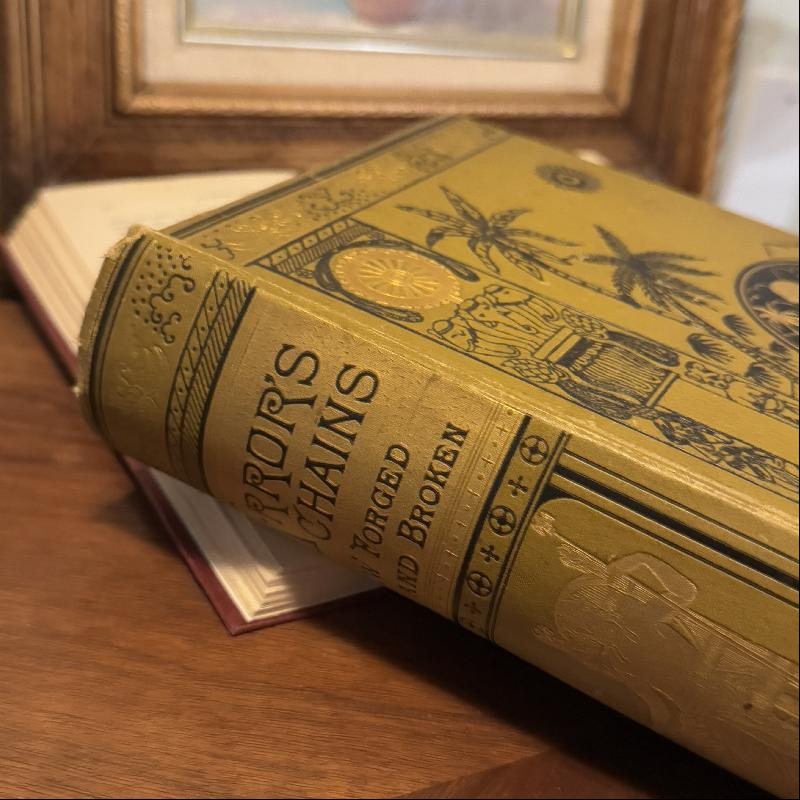
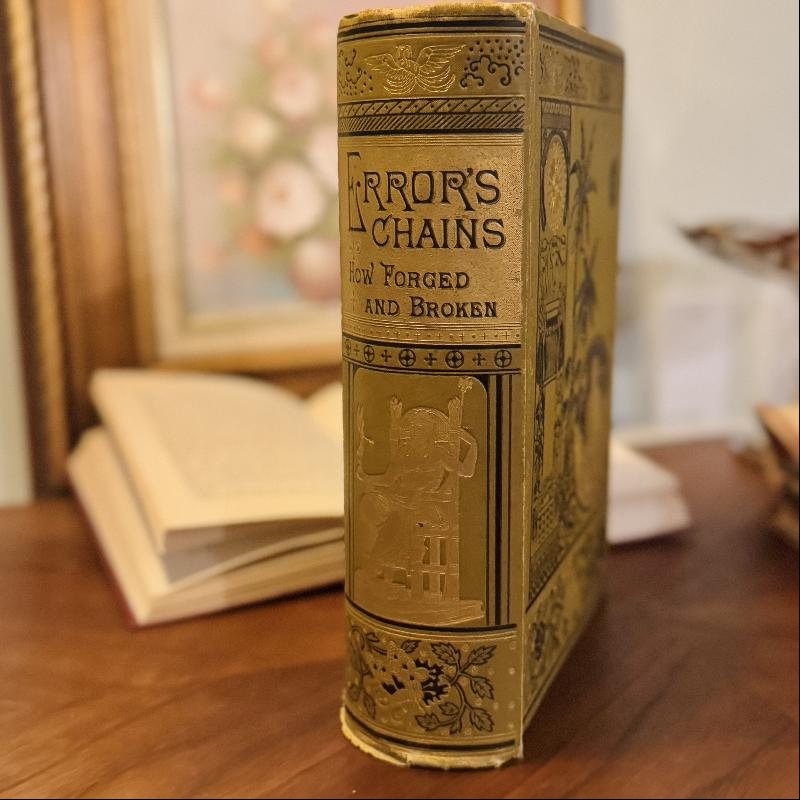
This Edition (1883 with Buddha Graphic on the Cover)
The presence of a Buddha graphic on the cover makes this edition particularly interesting, as it reflects the Western interpretation of Eastern religions in the 19th century. This edition was published during a time of fascination with "exotic" cultures, making it a collectible item today.
Hardcover. Condition: Very Good
Dimension: 24.5 x 17 cm. 785pp.
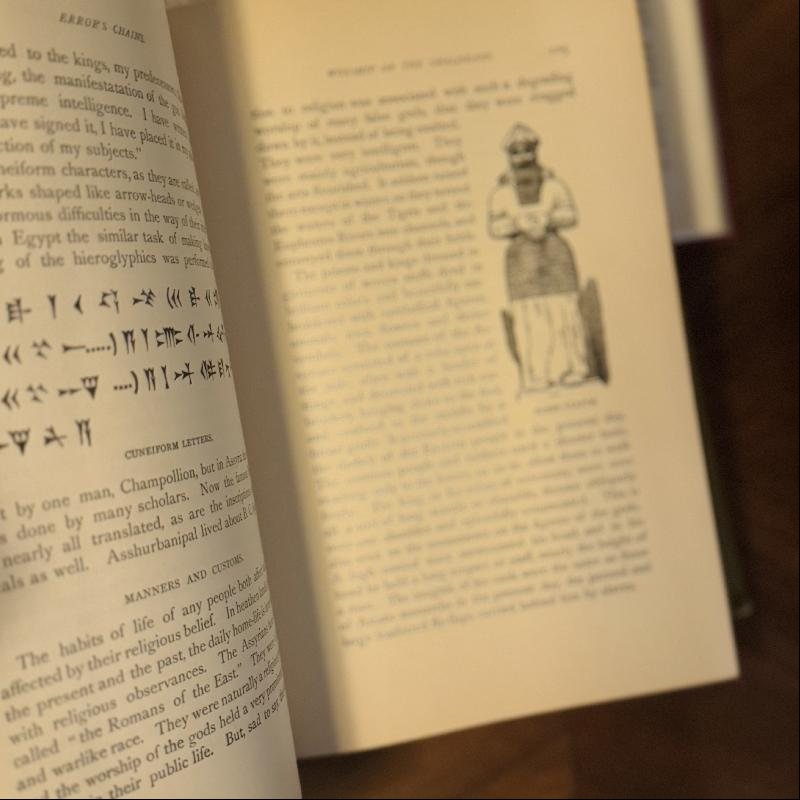
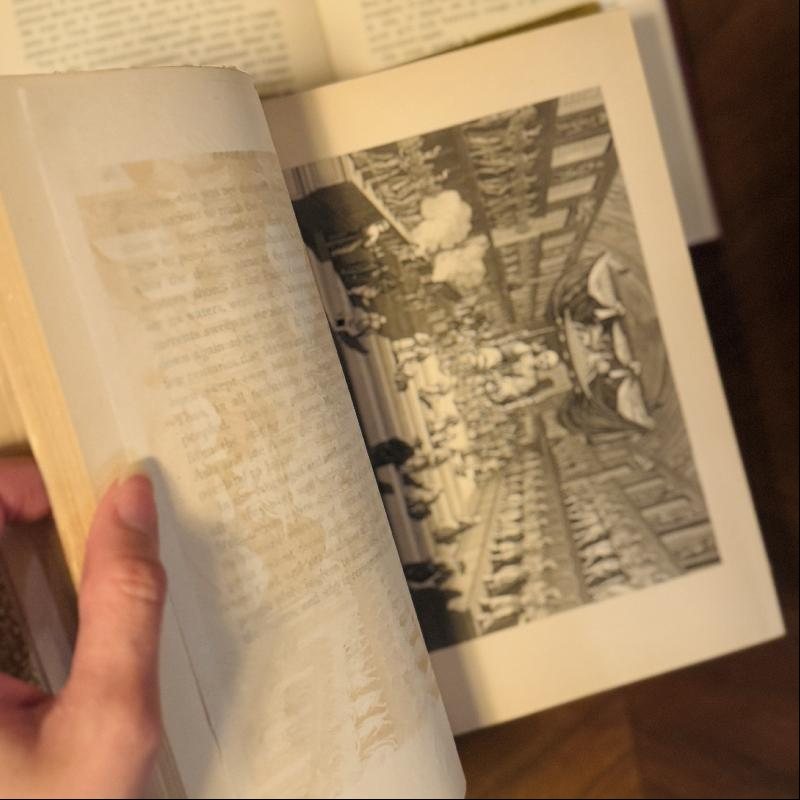
//Handsomely bound into publisher's brown Victorian cloth, gilt and black stamped cover and spine. Marble endpapers and foredges. Index. Illustrated with 6 steel engravings, including engraved half-title page, along with dozens more illustrations, map, tables, both in-text and full page, some printed in color. Some rubbing to the edges of the cloth. Published in 1881 as "False gods : or, the idol worship of the world" and again in 1886 with a different sub title. Touches on non-Christian religions and philosophies from around the world both ancient and contemporary with publication. These include Brahminism, "The Bushmen's god", Etruscan religion, Zoroastrianism, Confucianism, Fiji-Islander's tradition, Aztecs, and many others.//