
The Geisha Cup I Almost Left Behind
When I first saw this cup in a vintage shop, I actually had no intention of buying it.
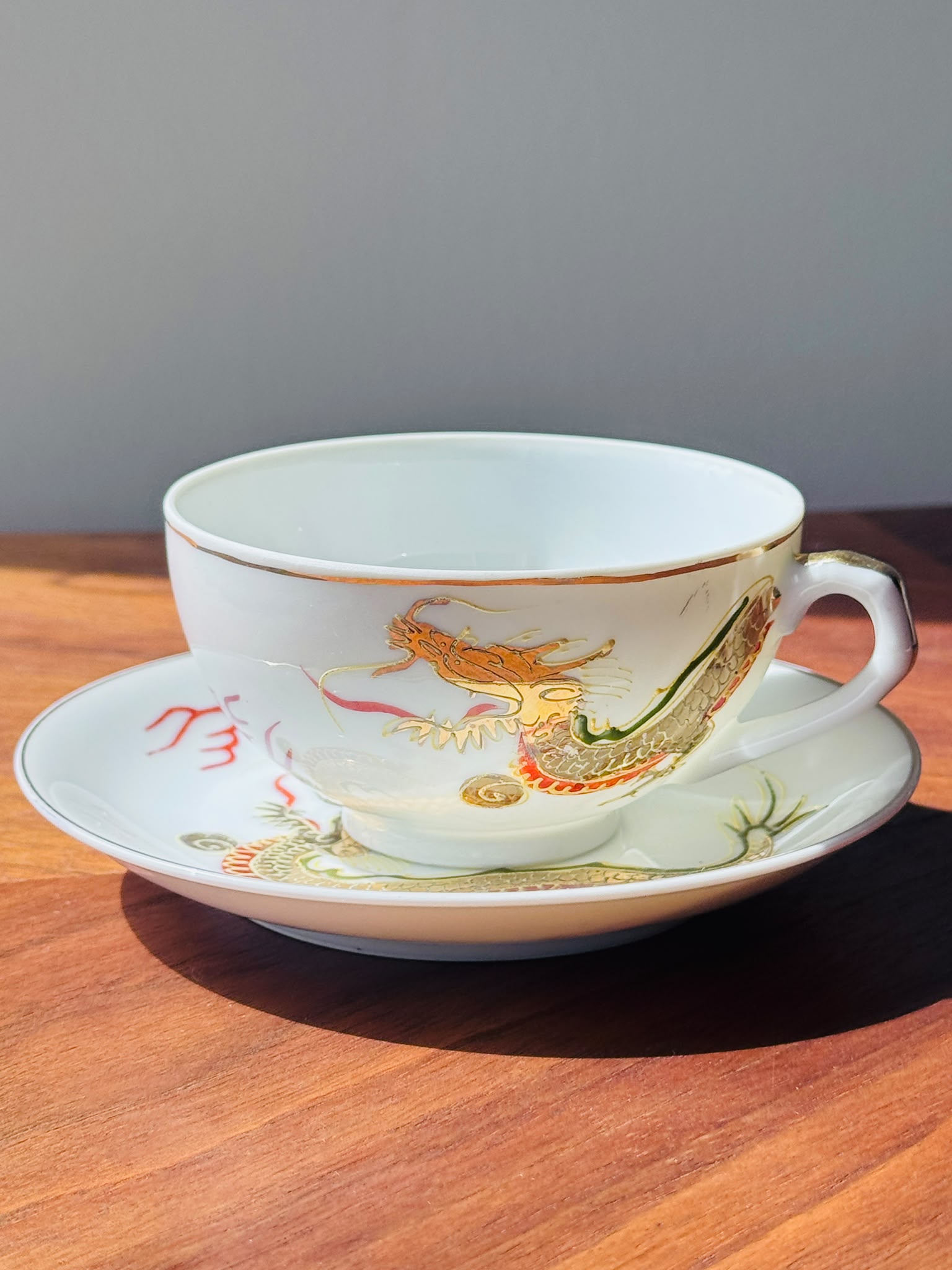
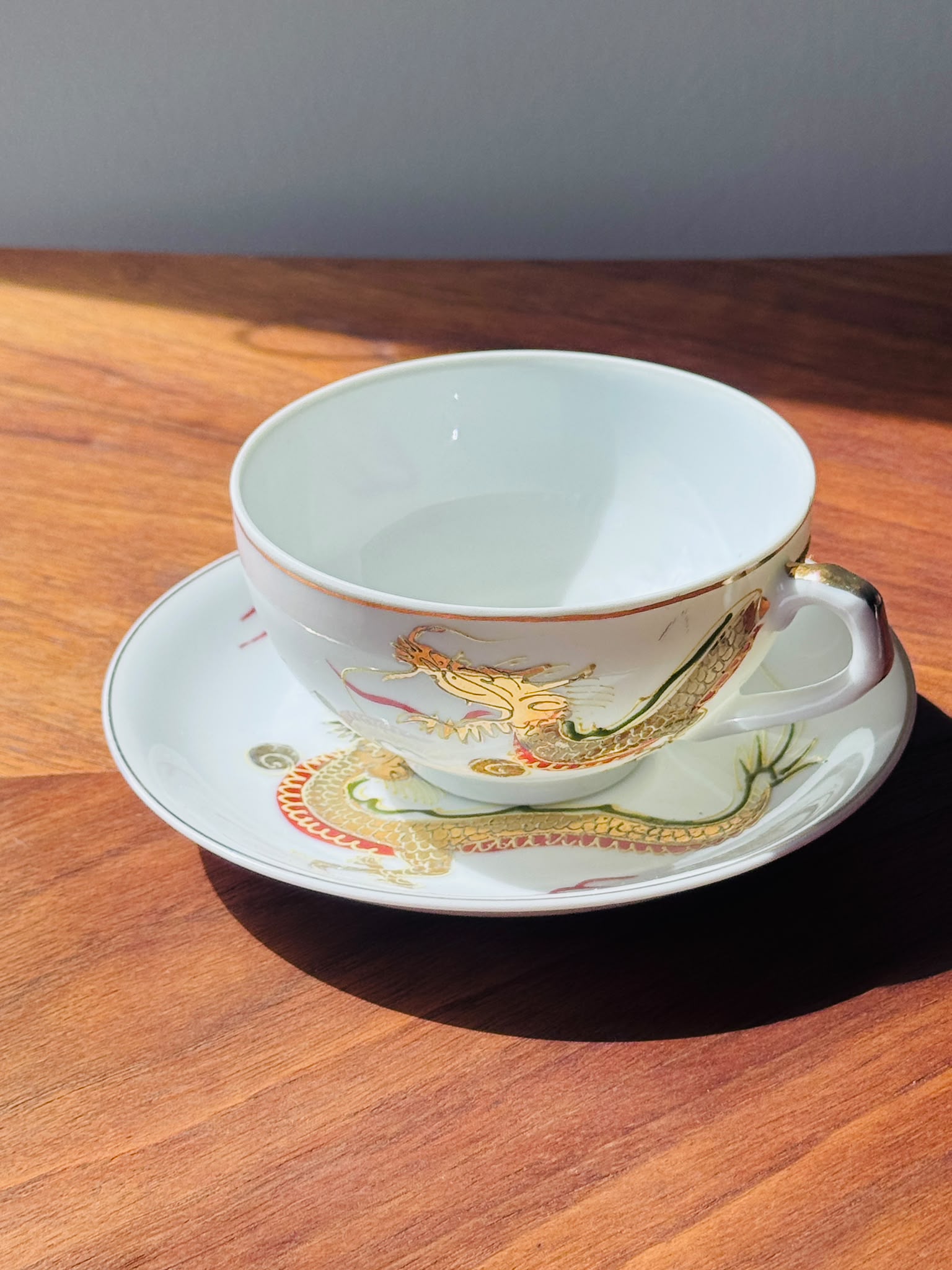
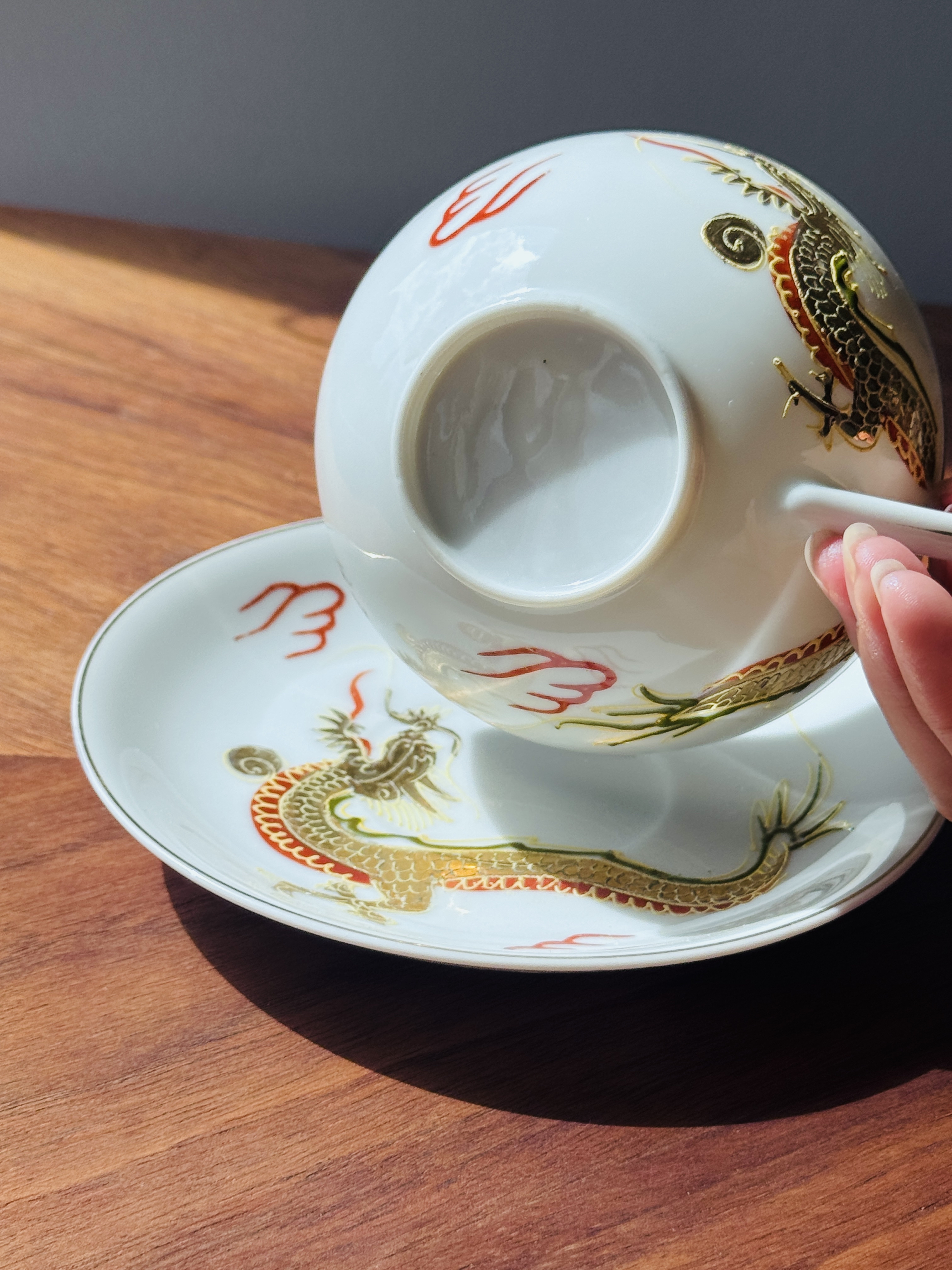
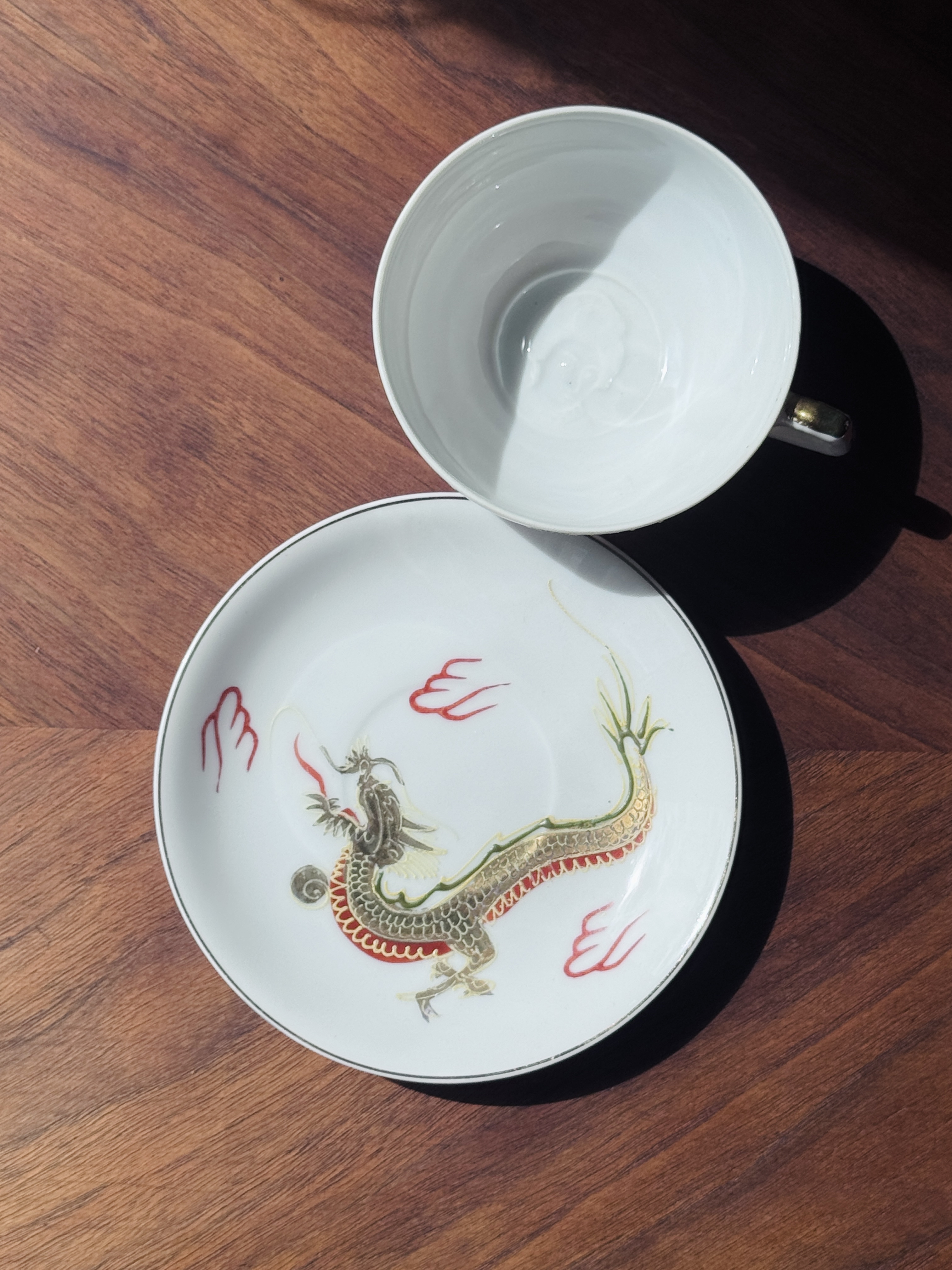
The dealer showed it to me, and when I saw the dragon motif, I simply told him:
“Dragon is not really my style.”
Just as I was about to put it back, he stopped me and said:
“Wait. Hold it up to the light.”
So I did.
And the moment the light passed through the bottom of the cup, it took my breath away.
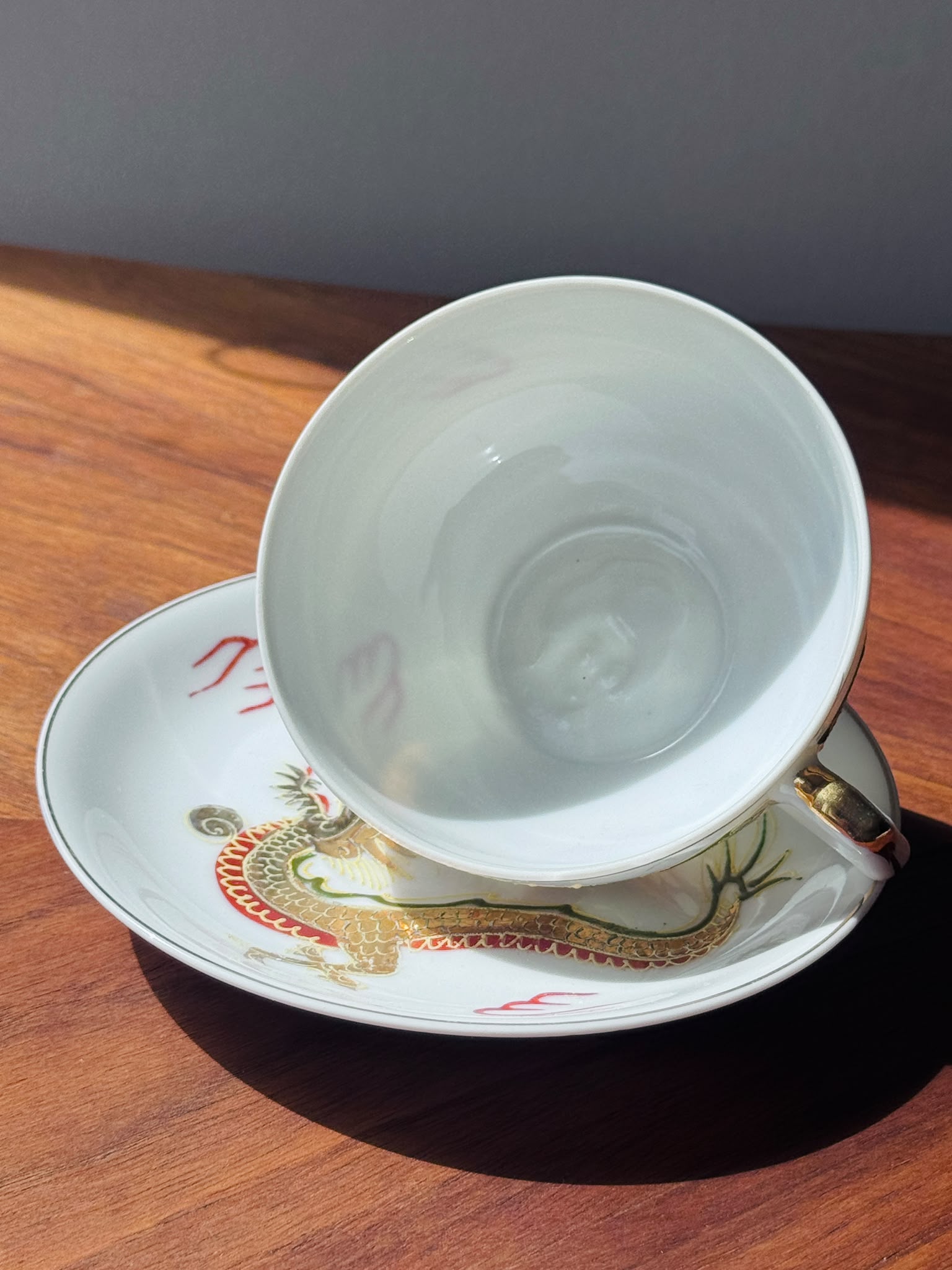
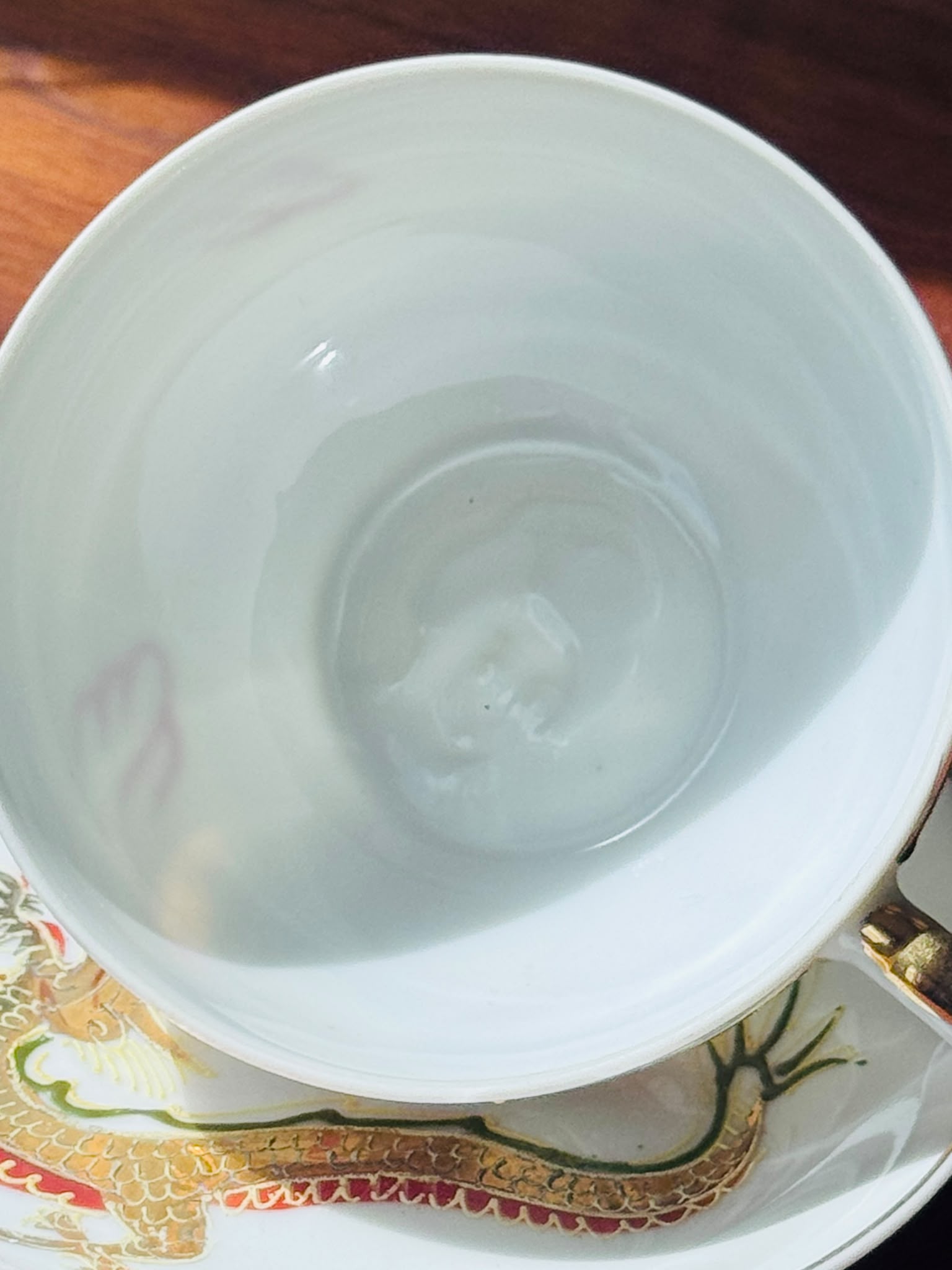
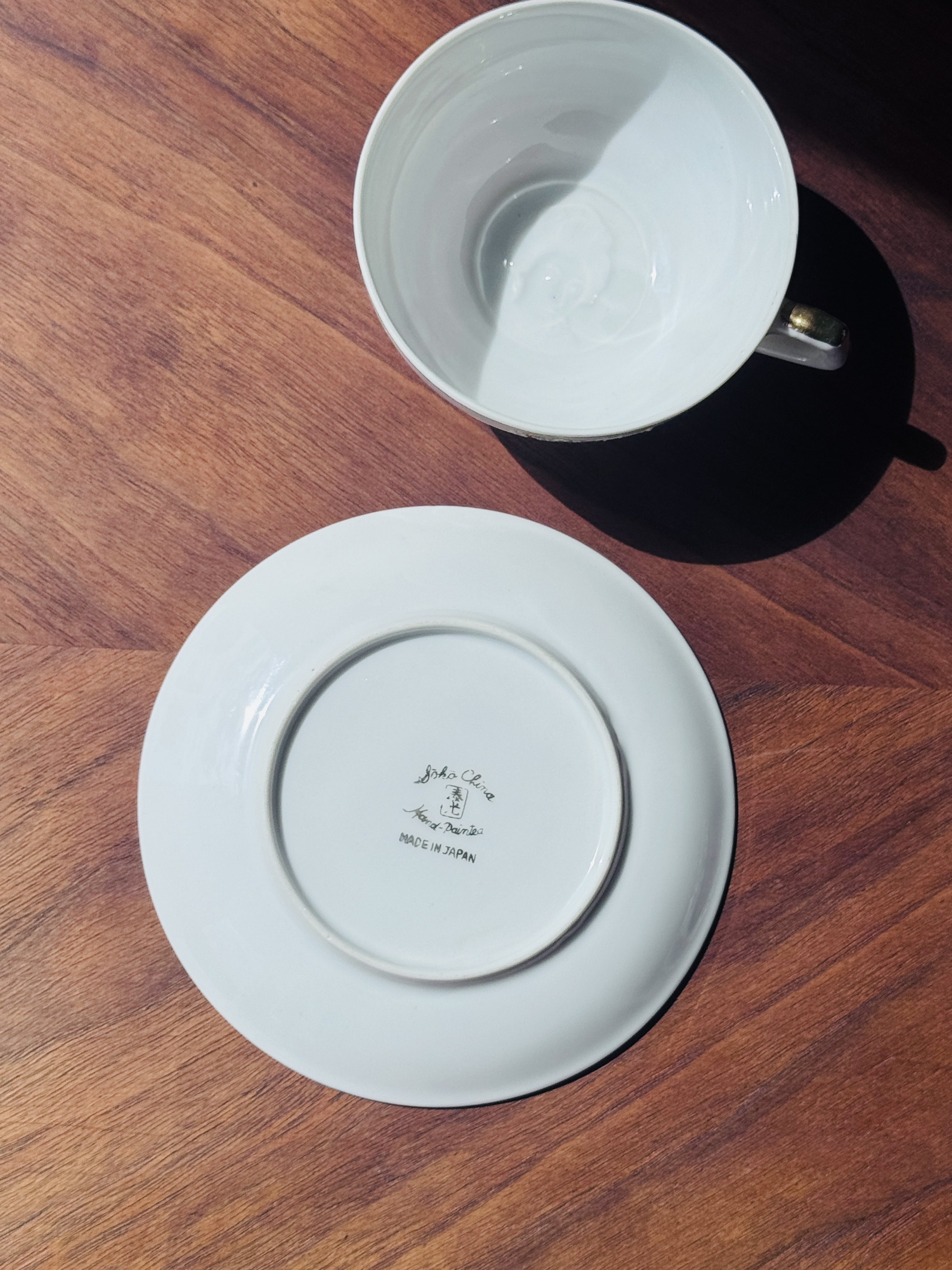
What had looked like a simple piece of white porcelain suddenly revealed an incredibly detailed portrait of a woman.
I had never seen anything like it before.
I later learned that this is called a Lithophane Cup, also commonly known among collectors as a Geisha Cup or Geisha Girl Cup.
And the most fascinating part? The portrait at the bottom isn't painted.
It is created using a technique called lithophane, in which the image is moulded into different thicknesses of porcelain. Without light, the portrait is barely visible. But when illuminated from behind, the thinner areas allow more light through while the thicker areas create shadows, and the hidden portrait suddenly comes to life.
In other words, it is light that completes the picture.
These Japanese lithophane cups became particularly associated with the mid-20th-century export and souvenir market. Many feature hidden portraits of Japanese women at the bottom, leading collectors to affectionately call them “Geisha Cups.”
Looking back, it makes me smile.
I almost left it behind because of a dragon that “wasn't my style.”
Thankfully, the dealer stopped me before I did and told me to hold it up to the light.
This story teaches me ,"“Don’t judge a book by its cover”